
The Intelligent Egg: Unlocking Long-Term Economic Value in the Hatchery
How egg analytics unlock compounding operational, market, and genetic advantages.
Nov 26, 2025
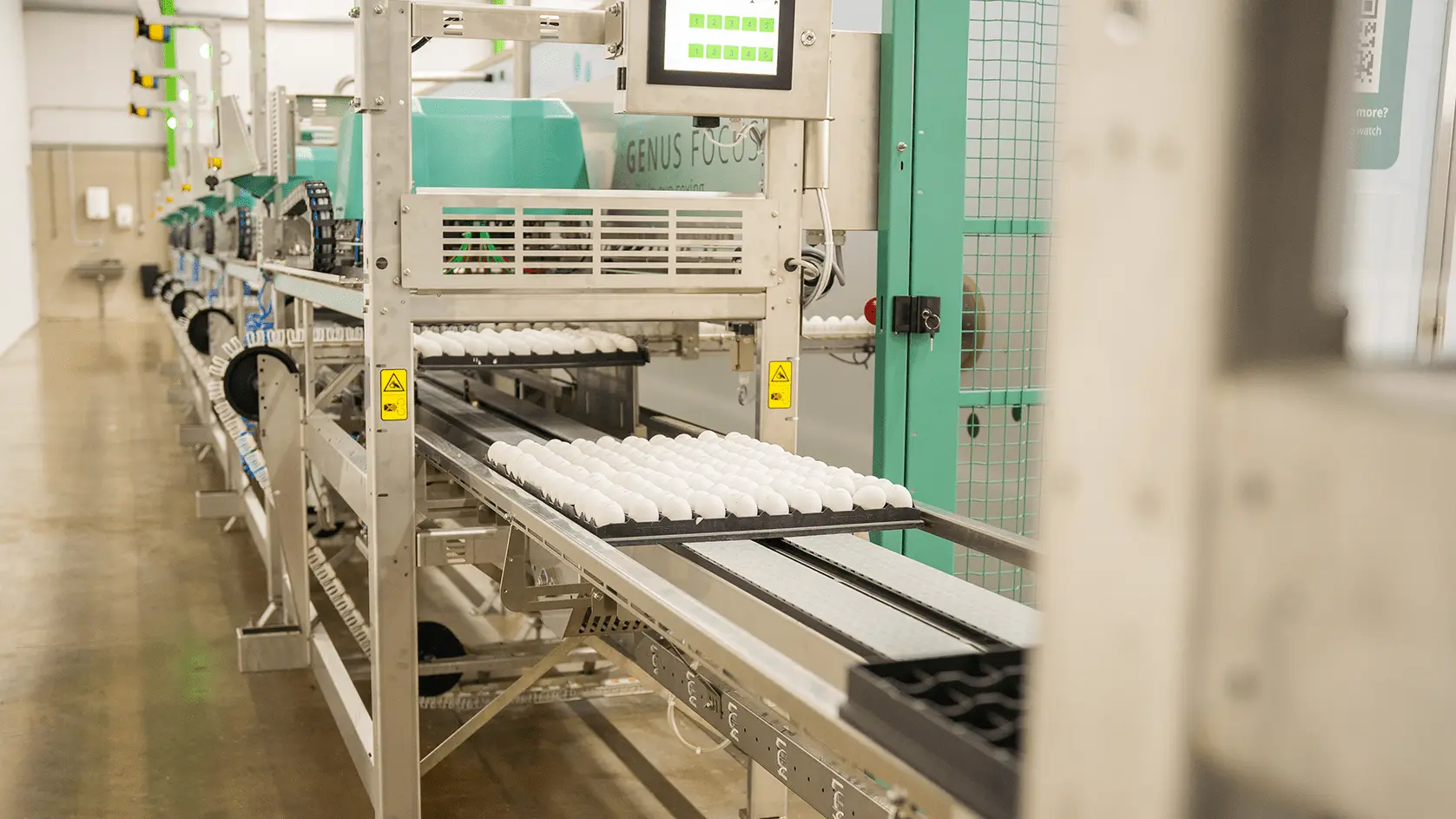
For decades, the global egg industry has operated with a significant ethical and operational dilemma: the culling of day-old male layer chicks. This practice, driven by the economic reality that males don’t lay eggs, has led to the culling of an estimated seven billion male chicks annually. In response, a wave of legislation, particularly in Europe, and sector-driven initiatives have banned the practice. For many hatcheries, this regulatory pressure is viewed as a reluctant, cost-based compliance issue — a “welfare tax” estimated at less than two cents per table egg.
But this perspective misses the real story. This forced investment is, in fact, a blessing in disguise. The in-ovo sexing technology adopted to solve the culling problem has inadvertently built the infrastructure for a new era of data-driven poultry management, turning the hatchery of the future into an intelligence hub. The long-term economic advantages of egg analytics extend far beyond a single ethical issue. They provide a multi-layered value structure that can be broken down into three tiers: immediate operational efficiency, new market advantages, and future-facing systemic optimization.
A Revolution in Layer Hatchery Efficiency
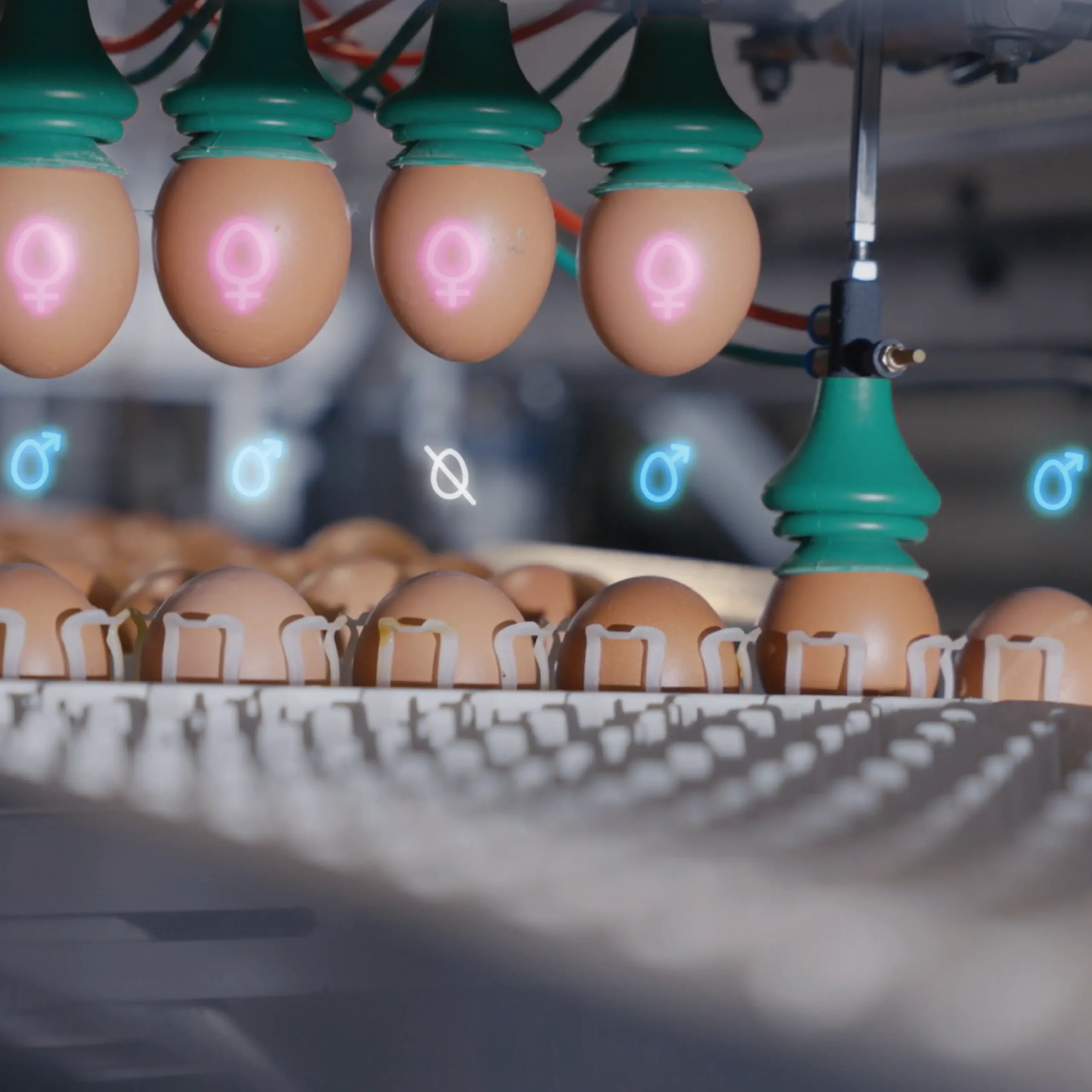
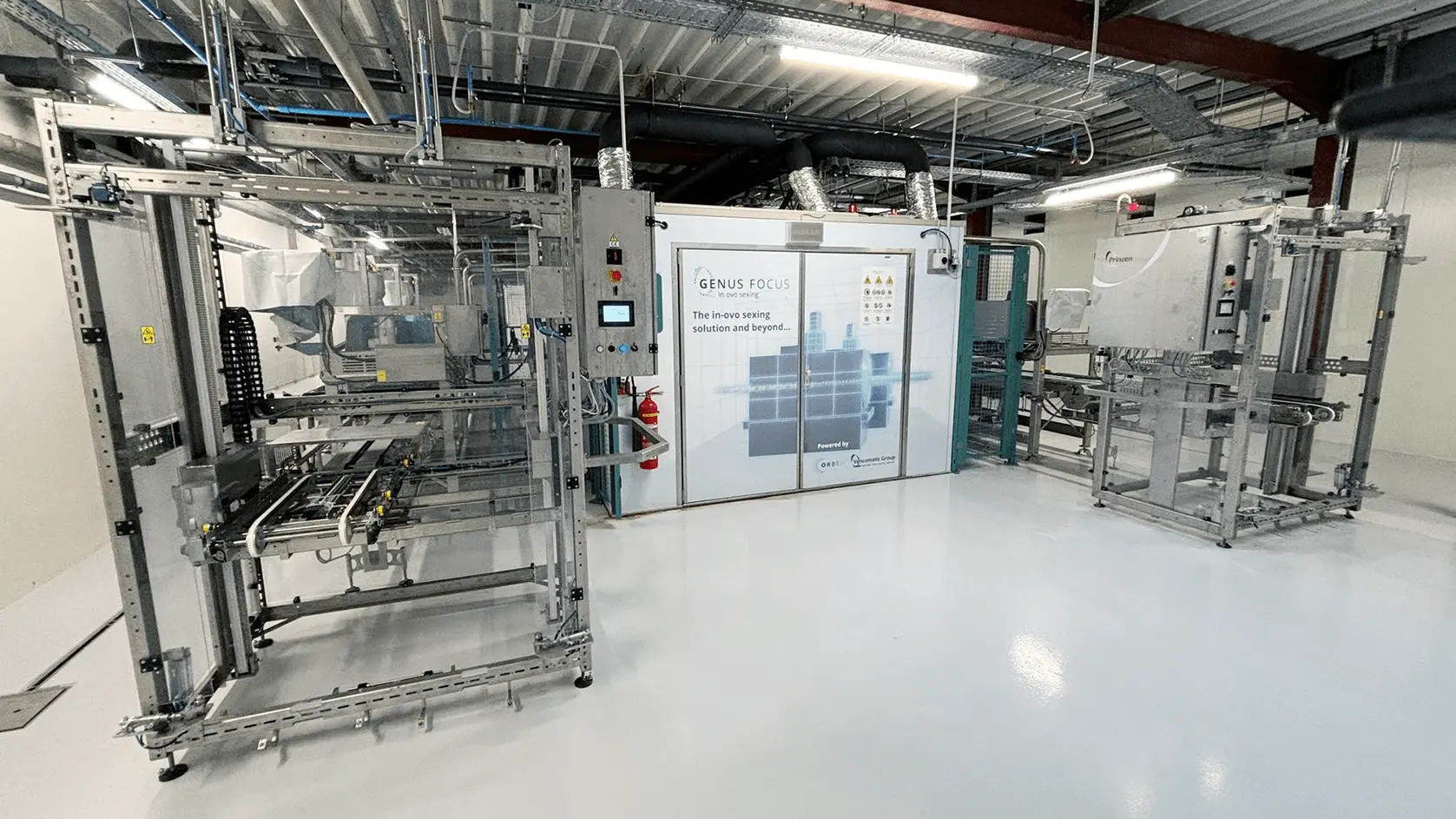
A primary economic benefit of in-ovo sexing stems from revolutionizing the entire back half of the hatchery’s workflow. With sexing typically occurring around day 11 or 12, male and unviable eggs are identified and removed before they are transferred from the setters to the hatchers. This intervention creates a massive wave of downstream efficiencies:
Optimized Hatcher Capacity: The most significant gain is the optimization of hatcher space. By ensuring only viable female eggs are moved into the hatchers, a hatchery can effectively double the female chick output of its existing hatcher capacity if the setter capacity is also increased accordingly. This represents a potential 100% increase in asset utilization for almost half of the entire incubation cycle.
Elimination of Manual Labor: The technology drastically reduces the need for “labor-intensive manual methods” of post-hatch sexing (e.g., colour, vent or feather sexing). This is a direct and massive saving on specialized labor, time, and the logistical complexity of managing a post-hatch sorting line.
Reduced Waste & Energy: While male eggs occupy incubator space for the first 11-12 days, the hatchery still saves all the energy required for the 9-10 day incubation period for over 50% of the eggs (both males and unfertilized or unviable eggs). Additionally, the “costly disposal processes” associated with live male chicks are rendered obsolete, replaced by a more manageable waste stream of unhatched eggs that can be repurposed.
Furthermore, this technology enables other high-value practices. In-ovo vaccination, for example, was historically inefficient for layers because 50% of the expensive vaccine would be wasted on male embryos. By removing male eggs at day 11 or 12, well before in-ovo vaccination occurs, in-ovo sexing allows layers to benefit from the same efficiencies and health advantages as broilers.
The “Cull-Free” Market Advantage
Beyond the hatchery’s internal gains, egg analytics create a powerful, consumer-facing value proposition. The technology enables the creation of a new, verifiable, and marketable product attribute: “cull-free” or “humanely hatched” eggs. Consumers have shown a significant “willingness to pay” a premium for eggs with higher welfare standards. This consumer demand creates a powerful B2B advantage for the hatchery.
A clear case study is NestFresh in the United States and Raiar Organicos in Brazil. They became the first company to market eggs from hens hatched using this technology, partnering with Certified Humane to create a new, third-party verifiable “Humanely Hatched” label. This certification allowed them to secure distribution in mainstream retail chains like Whole Foods Market, Kroger, and HEB.
This case study reveals the hatchery’s new B2B leverage. The producer (NestFresh) wants the premium retail contract, but they cannot get it without the certification. And they cannot get the certification unless their hatchery supplier uses the approved in-ovo sexing technology.
Therefore, the hatchery that invests in this technology is no longer selling just female chicks. They are selling their B2B customers exclusive access to the high-margin, premium retail market.
The Next Frontier: Actionable Intelligence for Broilers & Breeders
The same family of non-invasive analytics through AI-powered MRI opens up even broader economic advantages for the entire poultry sector.
1. For Broiler Hatcheries: Maximizing Efficiency from Day Zero
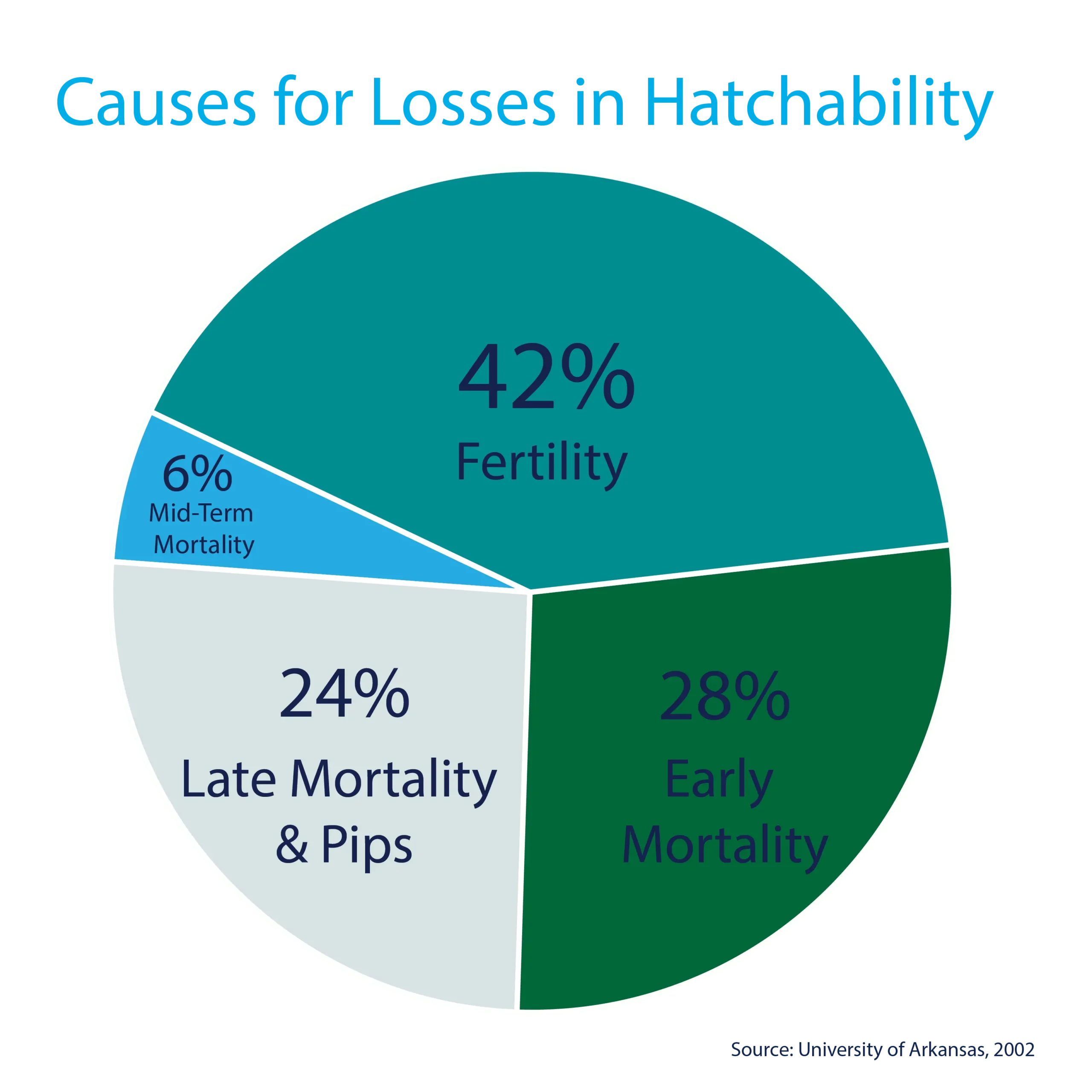
In the broiler industry, fertility issues are a primary source of wasted resources. Of all the eggs that fail to hatch, or unviable eggs, infertility accounts for 40 to 50%. These unfertilized eggs are a direct economic drain, taking up valuable incubator space and consuming energy for up to 19 days only to be discarded.
Day 0 / pre-incubation fertility detection provides an immediate solution, ensuring 100% of incubator capacity is dedicated to fertilized eggs that have a chance to develop into viable embryos. But the real value is the actionable intelligence. By linking fertility data to specific breeder flocks in real-time and in a non-destructive manner, a hatchery manager can identify upstream supply issues immediately, transforming a reactive problem into a proactive, data-driven partnership.
2. For Breeders: Breaking the “Phenotyping Bottleneck”
The engine of the poultry industry’s profitability has always been genetic selection. Today, progress is limited by the “phenotyping bottleneck”: the slow, expensive, and labor-intensive process of waiting for birds to mature to measure valuable traits (like feed conversion, growth, or skeletal health) or utilizing destructive breakout analysis.
Advanced, in-egg analytics can provide “high-throughput phenotyping” data from inside the egg. By giving geneticists critical data in-ovo and non-destructive, rather than post-growth, this technology shortens the selection cycle. Shaving even a small amount of time off this cycle, when repeated over generations, creates an exponential and compounding economic advantage for the entire industry.
The Hatchery as an Intelligence Hub
The culling ban was the catalyst, but the long-term economic advantage of egg analytics is not about solving one problem. It is about fundamentally reframing the egg from a simple production unit into a rich, complex data asset.
The hatchery of the future is no longer just a “chick factory”; it is a high-throughput data collection node that sits at the center of the entire poultry value chain. This transformation, turning analog processes into actionable intelligence, is where the real, sustainable profitability lies.
About the author
Hunter connects market insights with strategic storytelling to drive Orbem’s growth in the U.S and positions our technology as a game-changer in animal welfare and hatchery efficiency. He thrives on bridging complex innovation with real-world impact.

Hunter Lewis
Product Marketing Manager
Other interesting articles

The Story of Orbem’s Revolutionary Fertilization Status Detector
How a small idea blossomed into a groundbreaking AI technology with the potential to save 10 billion eggs each year.
Achieving Peak Performance: Hendrix Genetics’ Hatchery Transformation
Hendrix Genetics hits record <1% males-in-hatch with Orbem’s Genus Focus.

Behind the Scenes of AI-Powered MRI
A deep dive into how MRI and AI power informed decisions and the future of in-ovo sexing.
Discover other milestones
Want to write about us?
We would love to hear from you!

Barbara Jilek
PR & Content Marketing Manager